Styling foundations
Learn the core principles that make rooms feel balanced: scale, repetition, contrast, and negative space. Includes quick checks you can apply in minutes.

DublinScene teaches interior styling as a practical, learnable skill. Our platform is designed for people who want a calm, modern home and prefer clear guidance over trendy hype. We publish beginner guides that explain the essentials: how to choose a palette you will not tire of, how to mix materials like wood, metal, glass and textiles, and how to use lighting to make rooms feel softer and more functional. We also cover organization techniques for small apartments and shared homes, including storage planning, zoning, and routines that keep your space easy to maintain.
Content is built around realistic Irish living spaces and modern European references, with an emphasis on comfort, durability, and everyday usability. You will find tutorials you can follow at your own pace, seasonal décor workshop themes for fresh ideas throughout the year, and DIY accents that focus on craft, proportion, and finishing details. The goal is simple: help you make confident decisions and create rooms that support your life.
Short lessons with definitions, checklists, and room examples. Learn the “why” behind choices so you can adapt ideas to your own home.
Living room comfort, bedroom calm, kitchen practicality, and entryway flow. Each topic includes common mistakes and easy fixes.
Simple seasonal refreshes that focus on textiles, tabletop styling, and cozy lighting. Built for achievable weekend projects.
Learn how to reduce visual noise with zones, containers, and routines. Improve function without turning your home into a showroom.
For compact rooms, the most effective upgrades are often invisible: clear pathways, consistent storage, and simple “home bases” for daily items. Our organization lessons focus on zones and habits, not perfect minimalism.
Everything on DublinScene is designed to help you learn by doing. Lessons are written in plain language and pair ideas with simple actions you can try right away: moving a lamp, adjusting a rug size, or editing a shelf to make it breathe. Workshops build confidence with guided prompts and a calm pace.
Learn the core principles that make rooms feel balanced: scale, repetition, contrast, and negative space. Includes quick checks you can apply in minutes.
Practical transformation concepts that respect your current furniture. Focus on rearranging, adding lighting, and refining textiles for a cohesive look.
Seasonal inspiration that prioritizes warmth and restraint. Learn how to introduce a theme using color, texture, and natural materials without clutter.
Small projects that improve character and function: entryway trays, simple wall grids, and storage labels that look intentional in real homes.
Minimalism here means clarity, not emptiness. We teach how to select a small set of materials, repeat them across a room, and add warmth through lighting and textiles. You will also learn how to display meaningful objects with spacing that feels intentional.
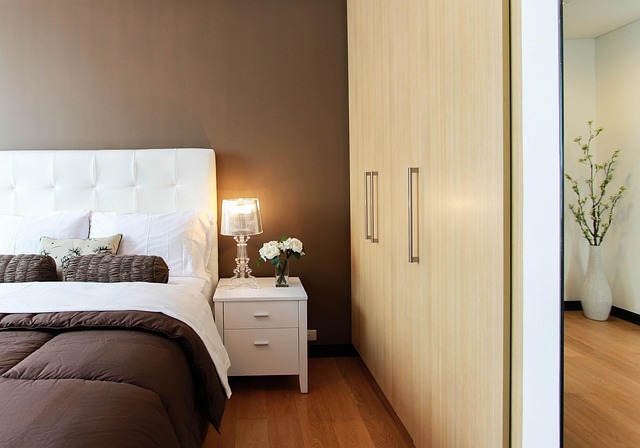
Our learning flow is designed to be calm and repeatable. Start with a guide, try a small change, then build your room slowly. If you want extra support, workshops offer structured themes and optional Q and A. When you contact us about workshops, we use your message only to respond, suggest a suitable session, and share scheduling details.
Pick one outcome: a calmer entryway, better lighting in the living room, or a more functional work corner. Small goals are easier to maintain.
Use checklists for palette, layout, and storage. Each guide includes practical prompts that help you decide what to keep, move, or edit.
Apply a single adjustment first, such as lowering a picture, changing bulb temperature, or grouping objects in threes. Evaluate comfort and function.
Workshops provide themed exercises and a clear start-to-finish plan. After you contact us, we reply with session options and what to prepare.
Use this form if you want to ask about workshop topics, accessibility, or the best starting point for your home. We collect only the details needed to reply. After submission, you will see a confirmation message on this page and we will respond by email. If your question relates to scheduling, we may suggest a workshop theme and a preparation list.
You can also use our Contact page for addresses, phone, and email details, plus a simplified message option. If you are looking for self-guided learning, the Guides section is the best place to start.
These answers explain how our educational content works, what to expect from workshops, and how we handle privacy. If you have a specific question about a room or a project, you can send it through the form above or visit the Contact page.
The information on this website is for educational and informational purposes only. It is intended to support personal learning in home styling, organization, and DIY décor. Content does not replace professional advice for structural building work, electrical work, plumbing, fire safety, or certified accessibility requirements. Always follow manufacturer instructions and local regulations, and consult qualified professionals where appropriate.
Any examples are illustrative and may not reflect your exact space constraints. Results vary based on layout, lighting, materials, and individual preferences.