Skip to content
Clear answers, calm guidance

Frequently asked questions

This page covers how DublinScene content is structured, what you can expect from workshops, how we approach small-space organization, and how cookie preferences work. If you still have questions after reading, use the contact options below to reach our team.

Quick topics
Jump to the area you need
Tip

If you are new to styling, start with one room goal and one guide. Small changes are easier to maintain and help you learn what you like.

Learning and guides

DublinScene content is structured to reduce decision fatigue. Guides are written for people who want a warm, minimalist European look without turning their home into a showroom. Each topic explains the principle, then offers a small exercise so you can apply it to your space. This approach helps you build confidence in choices like palette, lighting, and layout, while keeping comfort and daily routines as the priority.

Do I need design experience to use the guides?
No. We start with simple definitions and a practical checklist. You will learn how to evaluate a room by function first, then refine it with color, texture, and proportion. The goal is to make choices you can repeat across rooms.
What does “modern European” mean on DublinScene?
It refers to a clean, functional base with warmth added through natural materials and softer lighting. Think neutral walls, practical storage, and a few well-chosen accents rather than many small decorative items. We show how to adapt the feel to Irish homes and apartments.
Do you recommend specific products or brands?
We focus on principles, sizing, and placement. When examples are mentioned, they illustrate a concept such as rug scale, bulb temperature, or the effect of matte versus glossy finishes. The intent is to support your decisions, not to push a shopping list.
How should I start if I feel overwhelmed?
Start with one room and one routine you want to improve, such as getting out the door smoothly or winding down in the evening. Then do a single change: improve the main light source, create a tray for daily items, or edit one shelf to add breathing space.

Workshops

Workshops are themed learning sessions that turn ideas into a plan you can follow. Topics often include seasonal décor, lighting improvements, and room refresh checklists. We keep the tone calm and practical, with options suitable for renters and small-space living. If you contact us about a workshop, we use your details only to respond, share schedules, and provide a preparation list.

What happens after I request workshop information?
We reply by email with workshop options, what the theme covers, and what you can prepare in advance (for example, quick room measurements or a few photos for your own reference). If a topic is not a good fit, we may suggest a guide that matches your goal.
Are workshops suitable for renters?
Yes. Many sessions focus on changes that do not require permanent alterations: lighting layers, textiles, freestanding storage, removable hooks, and layout adjustments. We also discuss how to keep a cohesive look when you cannot repaint or change fixtures.
Do you cover DIY projects in workshops?
Some themes include simple DIY accents such as trays, labels, and small wall displays. Projects are chosen for realistic time and tool requirements. We encourage safety first and recommend qualified professionals for any electrical or structural work.
What if I cannot attend a workshop right now?
Start with guides and a simple room refresh plan. A strong foundation comes from repeating a few principles across your home: consistent materials, a clear pathway, and layered lighting. When you are ready, workshops can help you organize the next steps.

Small spaces and organization

Small homes can feel spacious when the layout is clear and storage decisions are consistent. Our approach is not about extreme minimalism. It is about visual calm and friction-free routines: a place to put daily items, a way to keep surfaces usable, and a lighting plan that makes the room feel softer in the evening.

What is the first change that helps most in a small apartment?
Create a clear pathway and reduce obstacles in the main walking route. If you do one thing, make movement easy. Then add a “landing zone” near the door for keys, bags, and post so clutter does not spread across the home.
How do I make a room feel less cluttered without getting rid of everything?
Reduce the number of small items in view by grouping them. Use one tray per surface for daily objects, and aim for one container style per zone. The room can keep its personality while looking calmer and easier to clean.
Do neutral colors make small rooms feel bigger?
Often, yes, but the bigger effect comes from consistent undertones and balanced lighting. A warm neutral with warm bulbs usually feels calmer than mixing very cool and very warm tones. We teach how to test undertones before committing.
How do I style a multipurpose room (work and rest) without it feeling messy?
Use zones. Define the work area with a dedicated lamp and a small surface boundary (a rug edge, tray, or shelf). Then give work items a closing routine: a box, drawer, or basket so the room can switch back to rest mode.

A simple checklist for visual calm

If a room feels busy, check these basics: keep one main surface mostly clear, limit open storage to a few curated items, and repeat the same finish (for example black metal or light oak) in multiple places. Small repetitions create cohesion and reduce the feeling of randomness.
Use at least two light sources in the evening.
Group daily items on trays to contain visual noise.
Choose the correct rug size to anchor the seating zone.
Give each category a “home base” you can reach easily.
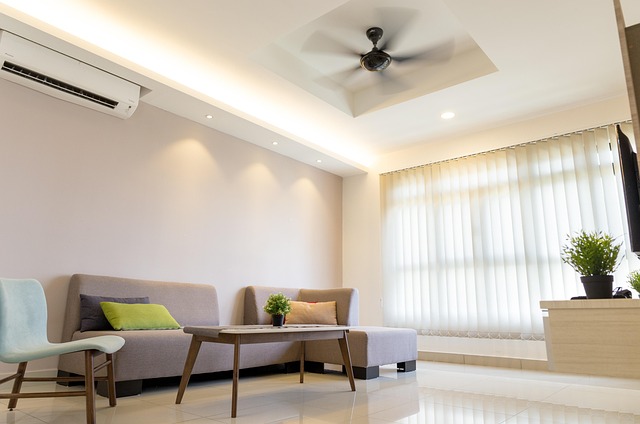
small apartment living area with compact storage and neutral minimalist decor
Images are illustrative to support educational discussion of layout, storage, and lighting.

Privacy and cookie preferences

DublinScene uses a cookie consent panel so you can choose whether analytics and advertising cookies are enabled. Essential cookies are required for core site functionality and saving your choice. You can accept all cookies, reject non-essential cookies, or manage preferences by category. You can reopen the panel from the footer link at any time.

What are essential cookies?
Essential cookies support core functionality and security, such as saving your cookie consent status and enabling basic site features. They are always active because the site cannot operate reliably without them.
How do I change my cookie settings later?
Use the “Manage cookie preferences” link in the footer. The preferences panel lets you enable or disable analytics cookies and marketing cookies independently. You can also clear cookies in your browser to reset.
Do you activate analytics or marketing cookies before consent?
No. Analytics and marketing cookies activate only after you choose to accept them. If you reject non-essential cookies, only essential cookies remain active.
Where can I read the full policy details?
The full details are available on our Privacy Policy and Terms of Service pages, including information about consent, retention periods, and your rights.

Still have a question?

If your question is about where to begin, include the room type and your main goal. If your question is about workshops, tell us which theme interests you and how you prefer to learn. We will reply with practical next steps and relevant resources.

Common starting points
  • Improve lighting with one warm lamp and a softer bulb.
  • Create a tray for daily items to reduce surface clutter.
  • Choose two core materials and repeat them across the room.
  • Adjust layout to support flow before buying new décor.

Educational guidance only. For safety-critical work, consult qualified professionals.